

GLP-1 support supplements are attracting significant attention as more people use Ozempic and similar medications for weight loss, but many users worry about muscle loss and nutrient intake. Can these supplements make a difference, and what actually works for preserving lean muscle? This practical guide covers what you really need to know, which methods have scientific backing, realistic challenges, and the best nutrition steps for those on GLP-1 therapies.
Key Takeaways
- No 2024 clinical trials confirm the effectiveness of GLP-1 support supplements for muscle preservation; most research supports protein intake and resistance training.
- Adequate protein and consistent strength exercise are key strategies to limit muscle loss on GLP-1 drugs like Ozempic, not special supplements.
- Critical gaps remain in long-term nutrient deficiency data, comparative supplement efficacy, and tailored nutrition plans for GLP-1 users.
- What Are GLP-1 Support Supplements – And Why Muscle Preservation Matters
- How to Protect Muscle While Using Ozempic: Step-by-Step Guide
- Advanced Analysis & Common Pitfalls for GLP-1 Users
- Conclusion: What Matters Most for Muscle on GLP-1 Drugs
- FAQ – GLP-1 Support Supplements & Nutritional Strategies
What Are GLP-1 Support Supplements – And Why Muscle Preservation Matters
GLP-1 support supplements refer to over-the-counter products—typically protein powders, amino acids, or peptide blends—marketed to help maintain muscle mass in people taking GLP-1 agonist medications like Ozempic. These drugs are incredibly effective for weight loss, but research shows that 15 to 40 percent of total weight lost can come from lean muscle rather than fat. This makes muscle preservation a top priority for anyone using these medications over several months or longer.

Muscle loss with GLP-1 therapies occurs for several reasons. Most users experience reduced appetite, resulting in lower overall calorie and, importantly, protein intake. Combined with less motivation to exercise, this can accelerate muscle wasting. While supplement companies promise easy fixes, real clinical data show that the most important factors are protein-rich diets and consistent resistance training, not specialty supplements.
Growing evidence from 2024–2025 clinical trials, including the much-discussed BELIEVE Phase 2b trial, underscores how pharmaceutical interventions (like bimagrumab) and lifestyle (exercise and nutrition) drive muscle retention—not over-the-counter GLP-1 support supplements. Still, many seek ways to boost results, so it’s crucial to separate fact from hype.
How to Protect Muscle While Using Ozempic: Step-by-Step Guide
- Assess Your Baseline Protein Intake
Log your current meals for 3–4 days. Most users underestimate how little protein they actually eat, especially during appetite suppression. Aim for at least 1.2 grams per kilogram of body weight per day (unless advised otherwise by a healthcare professional). - Prioritize Resistance Training
Schedule 2–3 strength sessions weekly, focusing on all major muscle groups. Short, focused routines (e.g., 30–45 minutes) are enough to prevent significant muscle loss. This approach is supported by the latest studies. - Choose Proven Protein Sources
While supplement formulas abound, studies recommend high-quality protein from whole foods (dairy, eggs, lean meats, legumes) or standard, easily digestible powders (whey or soy). To explore benefits, see Exploring the Benefits of Fitness Supplements. - Monitor for Warning Signs
Watch for early signals of muscle loss—unexplained fatigue, reduced strength, or difficulty with daily tasks. Ask your healthcare team for regular check-ins if needed. - Skip the GLP-1 Support “Miracle” Supplements
No current data supports their specific effectiveness for GLP-1 users. Focus your budget on proven nutrition and strength-building strategies.
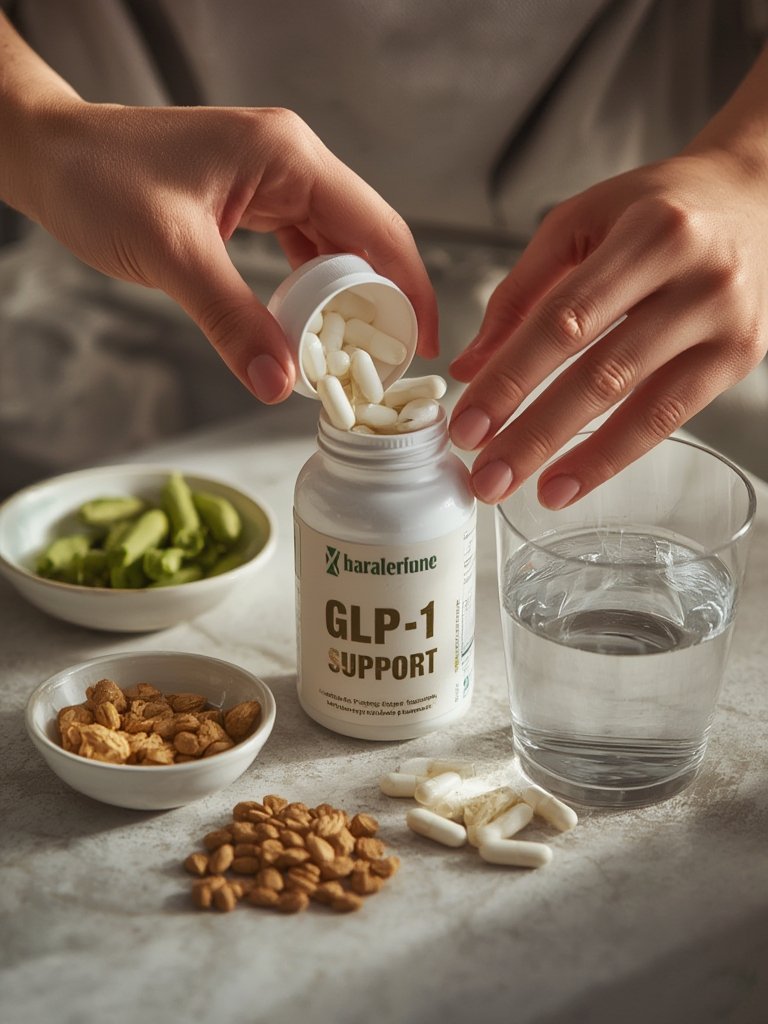
- Try resistance band workouts at home for convenience—no gym required.
- If dealing with menopause or hormonal changes while using GLP-1s, see the guides on Building Muscle During Menopause and Lean Muscle Solutions.
Whole foods and standard protein powders remain the most reliable options when dealing with appetite suppression and muscle loss risk. Peptide-enriched or “GLP-1 support” specialty supplements have not shown unique benefit in clinical studies for Ozempic users as of 2024.
Advanced Analysis & Common Pitfalls for GLP-1 Users
Common Pitfalls: What Users & Clinicians Report
- Assuming Weight Lost = Fat Lost: Up to 40 percent is from lean muscle, not just fat. This is confirmed in multiple clinical studies.[1]
- Underestimating Protein Needs: Appetite suppression means average intake drops significantly, leading to higher risk of muscle wasting.
- Over-Reliance on Support Supplements: There is no documented superiority for popular GLP-1 support formulas when compared to whole-food or standard supplement sources.
- Lack of Long-Term Data: Most current research does not cover year-over-year nutrient status or rare deficiencies that develop with chronic appetite suppression.
Comparison Table: What Strategies Actually Work?
| Approach | Clinical Evidence (as of 2024–2025) | Potential Drawbacks |
|---|---|---|
| GLP-1 Support Supplements | No controlled trials showing muscle preservation benefit in GLP-1 users. | Cost, unproven outcomes, may delay using proven methods. |
| Standard Protein Supplements (Whey, Plant-Based) | Good for meeting protein targets when food intake is low. Supported by general muscle preservation literature. | Possible GI upset for some. Not a substitute for exercise. |
| Whole Foods with High-Quality Protein | Consistently recommended by clinicians. Robust evidence of benefit. | Appetite suppression may make meeting targets difficult. |
| Resistance/Strength Training (2–3x/week) | Strongest support for lean mass retention in GLP-1 trial populations. | Requires consistency, possible initial fatigue. |
For more on high-quality strength protocols and how to layer in safe supplementation, see 7 Best Ways to Build Muscle and Best Ways to Build Strength for Women.
Notably absent from user and clinician reports are significant complaints or criticisms about protein supplements for Ozempic users. The consensus among experts is a straightforward approach — basic, high-quality protein, resistance training, and regular checkups are more effective than unproven supplement blends.
However, key needs remain unaddressed in the field. These include long-term studies on vitamin and mineral status for GLP-1 users, real cost comparisons of supplements, and research on individualized nutrient needs based on factors like age, medication dose, and sex. Expect these topics to become more important as GLP-1 therapies expand.

Conclusion: What Matters Most for Muscle on GLP-1 Drugs
The reality is clear: while GLP-1 support supplements may offer some convenience, they are not proven in 2024–2025 clinical trials to prevent muscle loss for Ozempic users. What truly protects your muscle and metabolism is an intentional mix of high-quality protein (from food or trusted powders) and regular resistance training. Be skeptical of “miracle supplement” claims, and make nutrition choices based on real data and what you can stick to long-term.
If you want to optimize your results, start by tracking your protein, set a regular workout routine, and skip expensive “GLP-1 support” blends without evidence. Need more practical tips on muscle, bone, and memory support during GLP-1 therapy or menopause? Explore our Proven Guide to Creatine for Women. Ready to focus on results that last? Start by reviewing your daily habits and make one nutrition upgrade today.
FAQ – GLP-1 Support Supplements & Nutritional Strategies
Are any GLP-1 support supplements clinically proven to prevent muscle loss?
No. As of 2024, no over-the-counter GLP-1 support supplements are supported by human trials showing muscle preservation in Ozempic users. Protein intake and strength training are more effective according to all available research.
How much muscle can you really lose on Ozempic?
Research suggests that 15 to 40 percent of weight lost with GLP-1 drugs may come from lean muscle mass, not just fat. The risk is higher without adequate protein and exercise.
What protein supplement is best if I struggle with appetite?
Choose easily digested options such as clear whey protein drinks or unflavored powders you can add to soups, smoothies, or oatmeal. Plant-based options work for those sensitive to dairy.
Does resistance training really make a difference for people taking GLP-1 drugs?
Yes. Multiple studies confirm that just 2–3 sessions weekly significantly reduce the amount of muscle lost with GLP-1 therapy, improving long-term health outcomes.
Are there downsides to using multiple supplements on GLP-1 drugs?
Potentially. Unproven blends can waste money, may interact with medications, and are not a substitute for whole-food nutrition or active movement.