

Creatine for women is gaining attention as more research emerges about its specific impact during perimenopause and menopause. However, sorting hype from hard evidence is essential—here’s exactly what you need to know and how to apply the newest science realistically.
Key Takeaways
- Creatine offers mild gains in bone quality and lean mass for women, but only when combined with resistance training—not as a standalone supplement.
- Effective doses are much higher than most products recommend—think 0.14–0.3g/kg/day (about 7–10g daily for most women).
- No safety risks found in long-term studies, but there’s no solid proof yet that creatine prevents fractures or major clinical outcomes for women in menopause.
- The Core Concept: Creatine for Women in Menopause
- Step-by-Step Guide: Safely Using Creatine for Women
- Advanced Analysis & Common Pitfalls
- Conclusion
- FAQ
The Core Concept: Creatine for Women in Menopause
Creatine—best known for muscle gains in athletes—has been researched for women experiencing hormonal changes, especially during perimenopause and postmenopause. Recent clinical trials show creatine can help improve specific bone quality markers and increase lean mass when paired with supervised resistance training for women in these life stages. However, creatine does not significantly increase bone mineral density or directly prevent fractures according to the latest studies.

It’s essential to understand that gains are modest and require consistent exercise. The supplement alone doesn’t show strong benefits in research, particularly for bone health. If you want to try creatine for menopause support, it must be seen as part of an active, resistance-based lifestyle. Curious about other strategies for hormonal wellness? See our guide on Supplement Dosage Strategies During Menopause.
Step-by-Step Guide: Safely Using Creatine for Women
Ready to try creatine with the most current, data-backed approach? Here’s how to get started safely and effectively.
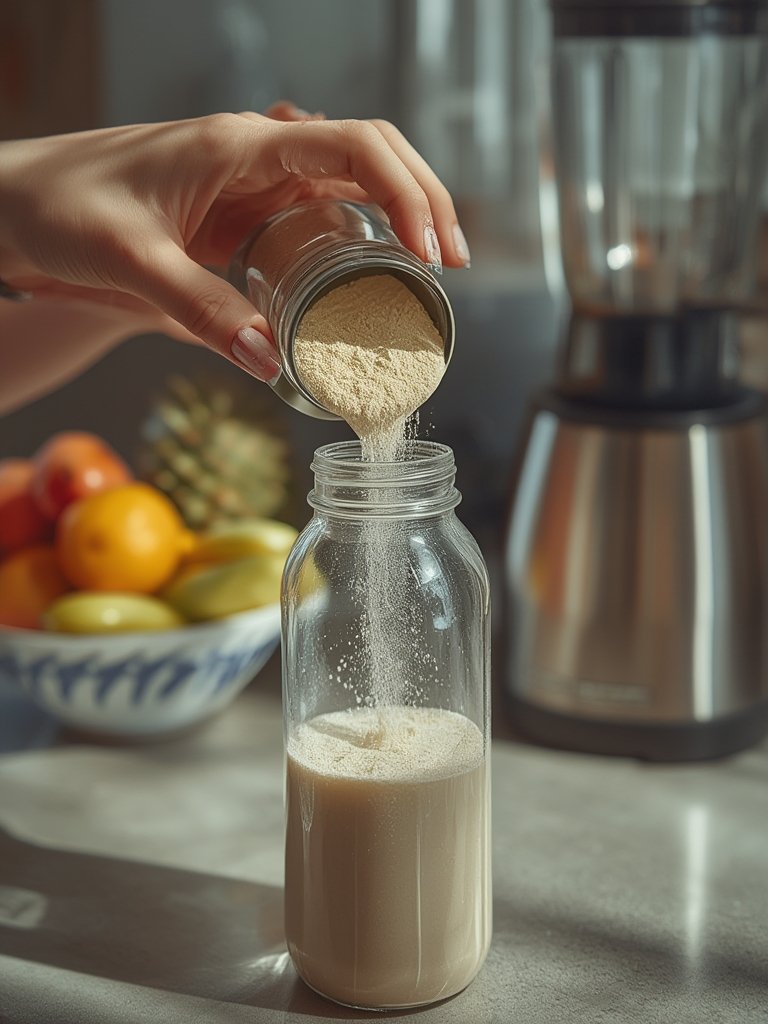
- Choose a high-quality creatine monohydrate powder. Look for third-party tested products and avoid unnecessary fillers, flavors, or blends marketed specifically for women—these don’t add value according to clinical research. If you’re unsure, check our detailed creatine reviews for vetted options.
- Calculate your dose: 0.14–0.3g per kg bodyweight daily. For a 70kg (154lb) woman, that’s roughly 9.8–21g/day, but most studies show 5–10g/day paired with resistance training covers the effective range. Lower doses (1–3g/day) have shown no significant benefits in trials (source).
- Only supplement on days you perform resistance exercise. Evidence is clear: Creatine alone does little for bone, muscle, or function in postmenopausal women without concurrent strength training (study details).
- Track your lean mass, bone markers, and symptoms at intervals. Use DEXA (if available), handgrip strength, and body measurements every 6–12 months. Set realistic expectations—lean mass gains average about 0.3kg over 2 years. For more on tracking progress, see best practices for women over 40.
- Consult your healthcare provider before starting. Even though studies show long-term safety, discuss with your doctor if you have a history of kidney disease or are on medications that affect kidney function. See complete safety guidance in our creatine safety FAQ.
- Stay consistent for at least 24 weeks. Clinical benefits in studies appeared at the 24-week or 2-year mark with daily use and structured training. Sporadic supplementation will not provide the same effect (recent trial).
Need a full resistance training program built for menopausal women? Visit our beginner’s guide to strength training for stepwise routines.
Advanced Analysis & Common Pitfalls
It’s easy to get misled by claims—and most articles miss several nuances about creatine for women in menopause. Here’s how the science stacks up and what can go wrong with unrealistic strategies.
| Approach | Expected Outcome | Common Pitfalls |
|---|---|---|
| Low-dose creatine (1–3g/day) | No benefit for muscle or bone | Wasting money and time; false sense of improvement |
| Creatine alone without resistance training | No significant gains in bone health or lean mass | Disappointment, belief that the supplement “doesn’t work” |
| High-dose (0.14–0.3g/kg/day) plus resistance training | Tiny gains in bone quality; small lean mass increase (0.3kg in 2 years) | Overestimating effects; expecting fracture prevention |
| Starting during late postmenopause | Unknown efficacy; missed earlier window for bone loss prevention | No data on starting supplement after significant bone loss |
Here are deeper issues often ignored:
- Missing organizational recommendations: No major women’s health body (like NAMS or ISSN) has issued formal advice on creatine for menopause support (review summary).
- No evidence for fracture risk reduction: Studies mention minor improvements in bone quality but clarify these are below the threshold of protecting against real-world fractures or falls (source).
- Cost and access data is missing: None of the main studies or reviews discuss up-to-date creatine supplement pricing for women in 2024, so watch for overpriced “women’s formulas.”
- Hormonal timing and dosing is not established: There’s a lack of insight into whether creatine works best before or after menopause begins, or if dosing should change over time. For more, explore our resource on how nutrition overlaps with perimenopause.

Conclusion
To sum up, creatine for women in perimenopause and menopause may help slightly increase lean mass and improve bone quality, but only when used with ongoing resistance training and at sufficiently high daily doses. Studies don’t support dramatic claims or use for bone or muscle health as a standalone. If you want to use creatine for women, combine it with structured strength work—and consult your healthcare provider before starting. Ready to build your healthy aging plan? Check our complete menopausal wellness checklist and take control now!
FAQ
Is creatine safe for women over 50?
Yes, clinical studies show daily creatine use for up to two years is safe for healthy women over 50 when taken at recommended doses, especially when paired with resistance training. Always check with your doctor if you have kidney issues.
Will creatine help prevent osteoporosis or fractures?
No current evidence proves creatine prevents osteoporosis or lowers fracture risk in women. Improvements in bone quality metrics seen in studies are not yet sufficient to guarantee real-world fracture protection.
How should I take creatine if I get stomach upset?
Splitting your dose into multiple smaller servings with meals and staying hydrated can reduce digestive discomfort. Opt for plain creatine monohydrate powder without additives.
Does creatine affect menopause symptoms like hot flashes or mood?
No high-quality studies to date show creatine impacts core menopause symptoms such as hot flashes, mood swings, or sleep disturbances. Its main studied effects are on muscle and bone markers.
Is creatine useful for women who do yoga or cardio only?
No. Research shows creatine benefits are linked to resistance training, not general activity or cardio alone. If you do not perform regular strength training, creatine is unlikely to offer meaningful benefit.