

Creatine for women is gaining attention as more studies reveal unique benefits and considerations for women—especially during perimenopause and menopause phases. Understanding how creatine works, the right supplementation strategies, and realistic expectations can make a significant difference for women aiming to support cognition, muscle health, and overall wellness during hormonal transitions.
Key Takeaways
- Creatine can improve cognitive function and mood in perimenopausal and menopausal women, particularly at low to medium doses of Creatine HCl.
- Combining creatine with resistance training delivers measurable increases in muscle mass and strength for women over 40, but bone health benefits are less clear.
- Creatine is generally well-tolerated, though not all top articles address dosing nuance, mood impacts, or interaction with hormone therapies.
- What Is Creatine for Women and Why Does It Matter?
- How to Use Creatine for Women: Step-by-Step Guide
- Advanced Analysis & Common Pitfalls
- Conclusion
- FAQ
What Is Creatine for Women and Why Does It Matter?
Creatine is a natural compound made in your body and stored in muscles and the brain. For women, it’s increasingly studied for its impact beyond strength training—especially in perimenopause and menopause. During these stages, hormonal changes lead to muscle loss, cognitive fluctuations, fatigue, and mood alterations. Creatine supplementation has shown promise in addressing some of these challenges, providing an actionable option for women seeking to support mental clarity, reduce mood swings, and preserve strength as they age.

Recent trials highlight these benefits with specific creatine types and dosages. Low to medium-dose Creatine HCl (750 to 1500 mg/day) has been found to significantly boost cognitive performance, alleviate fatigue, and reduce severity of mood disturbances in women undergoing menopausal changes. Importantly, such regimens are typically well-tolerated with few side effects, making this a realistic and practical supplement strategy for many women. For women post-menopause, higher-dose creatine monohydrate (typically about 0.3 g/kg/day as a loading dose) in conjunction with resistance training has led to measurable gains in muscle mass and functional strength, supporting a higher quality of life and independence.
If you want a detailed primer on creatine basics and its overall benefits, check out our comprehensive overview.
How to Use Creatine for Women: Step-by-Step Guide
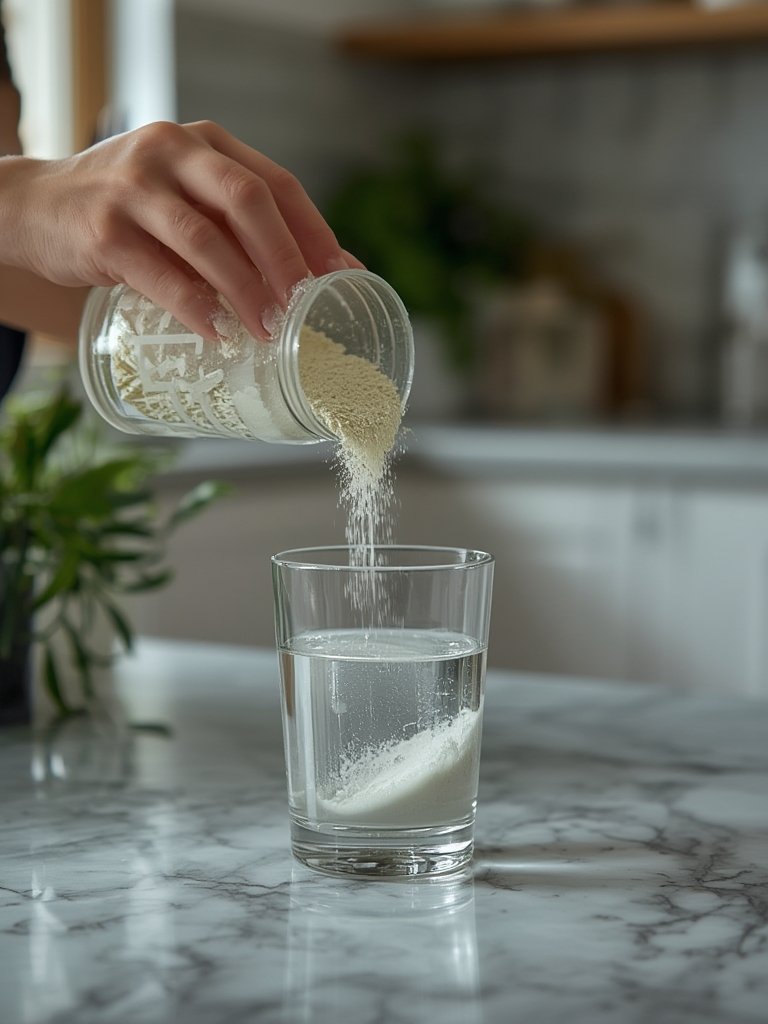
Getting started with creatine supplementation doesn’t have to be complicated, especially if you target your goals around perimenopause and menopause. Here’s a step-by-step breakdown for safe, effective use based on up-to-date research and real-world feedback:
-
Pick the Right Creatine Type:
- Perimenopausal/Menopausal Women: Opt for Creatine HCl at 750–1500 mg/day. Evidence supports improved cognitive function and reduced mood symptoms with this approach.
- Postmenopausal Women (with resistance training): Use creatine monohydrate with a loading protocol—0.3 g/kg/day (~20 g/day) for five to seven days, followed by a maintenance dose of 5 g/day. This targets muscle mass and performance gains.
-
Time It Smartly:
- Take creatine at the same time daily for best adherence—morning or after exercise works for most people.
- Combine with food or a carbohydrate source when possible, especially if you are focusing on strength and muscle maintenance.
-
Monitor & Adjust:
- Track mood, cognitive sharpness, fatigue, and workout recovery for at least 6-8 weeks. Adjust dosage, type, or timing based on your unique response.
- If using creatine with hormone replacement therapy (HRT) or other medications, consult your healthcare provider before starting. This is especially crucial if you have kidney issues or other chronic health concerns.
-
Pair With Strength Training:
- Significant muscle health benefits of creatine appear when used alongside resistance training or functional exercise, especially for postmenopausal women. Explore our step-by-step loading instructions for optimal results.
-
Be Aware of Realistic Timelines:
- Noticeable improvements in memory, alertness, and mood may appear in as little as 1-2 weeks, with maximal results by 8 weeks for most women.
- Muscle and strength improvements generally take 2 to 4 months with a consistent routine.
If you’re interested in fine-tuning your approach, our guide on side effects and best practices goes deeper into what to expect.
For more on combination strategies, check out our weight loss with creatine insights.
Advanced Analysis & Common Pitfalls
While creatine offers several advantages for women, nuances exist. Clinical trials published between 2020 and 2024 reveal the need to tailor types and doses. Below is a summary of major findings, challenges, and frequent pitfalls when using creatine during perimenopause or after menopause.
| Area | What Works | Common Pitfalls | Evidence/Notes |
|---|---|---|---|
| Cognitive & Mood Support | Creatine HCl (750–1500 mg/day) | Using creatine monohydrate in large doses for mood/memory; benefits mainly seen with HCl in studies | Recent clinical evidence |
| Muscle Mass & Strength | Creatine monohydrate + resistance training (loading then 5g/day maintenance) | Skipping the exercise part; results less dramatic without training | Key muscle studies |
| Bone Health | Possible benefit only with long-term resistance training | Assuming creatine alone will prevent bone loss; data do not support standalone benefit | In-depth analysis |
| Side Effects | Low to moderate-dose Creatine HCl, especially in women sensitive to bloating | High-dose creatine monohydrate can cause bloating, digestive discomfort | Tolerance profile |
| Dosing for Hormonal Changes | Adjust dose based on phase (lower for cognitive, higher for muscle/strength) | Not individualizing dosing or ignoring ongoing symptoms | Study findings (2021-2024) |
Some women expect bone density to increase just with creatine; evidence does not support this. Only when combined with progressive strength training is bone preservation seen—and even then, modest compared to the hype. Relief for cognitive fog, mood, and energy is best with Creatine HCl at moderate doses. Creatine monohydrate is cost-efficient for muscle support, but should be used with awareness of potential bloating or stomach discomfort, especially at higher doses.
No major authorities like the International Society of Sports Nutrition or North American Menopause Society have published dedicated guidelines for creatine in mid-life or older women. Most side effects are mild and transient—for example, heartburn or stomach upset. Rarely, sensitive users may experience persistent bloating or need to lower dosage further.

Conclusion
Research-backed strategies make creatine for women a realistic addition to both cognitive and muscle-wellness plans during perimenopause, menopause, and beyond. Choose the right form and dose—Creatine HCl for mood and memory support, monohydrate for muscle-building with exercise. Always watch for side effects and individualize your routine. Ready to make a change? Start with our practical guides and let us know how your journey evolves.
FAQ
Is creatine safe for women over 40?
Yes, studies show creatine is generally safe and well-tolerated for women over 40. Most side effects are mild, such as occasional stomach discomfort or transient weight gain due to water retention. If you have kidney concerns or take medications, talk with your doctor before starting any supplement routine.
Can creatine help with menopause symptoms?
Emerging evidence suggests creatine, especially Creatine HCl at doses between 750 and 1500 mg/day, may improve energy, mood, and cognitive clarity for women in perimenopause and menopause. However, results may vary and benefits appear most pronounced when combined with other healthy habits.
Will creatine cause weight gain or bloating in women?
Creatine monohydrate sometimes leads to mild water retention, causing slight weight gain or bloating, particularly at higher doses. Using Creatine HCl can minimize this effect due to its higher solubility and lower required dose.
How soon can women expect results from creatine?
Some women notice improved energy or cognitive sharpness within 1 to 2 weeks. Muscle mass and strength usually take 6 to 12 weeks of consistent supplementation paired with resistance training to show significant improvements.
Is creatine compatible with hormone replacement therapy (HRT)?
There are currently no known dangerous interactions between creatine and hormone therapy, but always check with your healthcare provider. Research is limited, so monitoring your response is recommended.