

Creatine for aging is gaining attention as new studies reveal its potential to preserve muscle and support cognitive health in adults over 60. Should older adults consider supplementing, and what does the latest research actually say?
Key Takeaways
- Recent studies find creatine with resistance training can help maintain muscle mass and strength in adults over 60, with modest potential for cognitive improvement.
- creatine monohydrate remains the safest, best-studied option for older adults, but no official dosage guideline exists for seniors in 2024.
- Evidence is stronger for muscle benefits than for cognitive or longevity effects, and side effects are rare at recommended doses.
- What Is Creatine for Aging and Why Consider It?
- How to Start Creatine for Aging: Step-By-Step Guide
- Advanced Analysis & Common Pitfalls
- Conclusion
- Frequently Asked Questions
What Is Creatine for Aging and Why Consider It?
Creatine is a substance found naturally in muscle and brain tissue. Its main job is to help your cells make quick energy. As we age, we lose muscle mass and strength—a condition known as sarcopenia. Creatine supplementation, especially when paired with resistance training, is now being investigated as a way to fight these losses and possibly improve aspects of brain health.

Recent clinical research (2023-2024) has shown creatine supplementation can help adults over 60 gain and preserve lean muscle mass, improve strength, and support everyday functional movements. Compared with no supplementation, creatine may also bring modest improvements in memory, attention, and processing speed, especially in those with lower natural creatine levels or mild cognitive impairment.
For example, a major study published in 2024 reports, “Creatine with resistance exercise significantly enhances muscle strength and physical performance in older adults.” Cognitive improvements are less dramatic, but still measurable in specific groups (Frontiers in Nutrition, 2024).
The bottom line: creatine for aging adults is not a magic solution, but it is one of the safest, best-studied supplements for muscle maintenance later in life, and may offer small cognitive perks.
Curious about creatine for women? Explore more with Creatine for Women: 7 Best Ways to Build Muscle.
How to Start Creatine for Aging: Step-By-Step Guide
-
Talk to your doctor first.
If you are over 60 or take medications, check with your physician before starting any supplement. Creatine is generally safe, but certain kidney or liver conditions may need special consideration. -
Choose the right form.
Most research uses creatine monohydrate. It’s affordable, well tolerated, and convenient to mix with water or smoothies. Avoid expensive blends or “micronized” versions unless you have digestive sensitivity. -
Start with a small dose.
Typical doses in studies range from 3 to 5 grams per day. There is no official 2024 guideline for seniors, but 3 grams per day is generally safe and well tolerated. -
Combine with resistance exercise.
The biggest benefits come from combining creatine with activities like strength training, using bodyweight, resistance bands, or light weights 2–3 times per week. -
Be consistent.
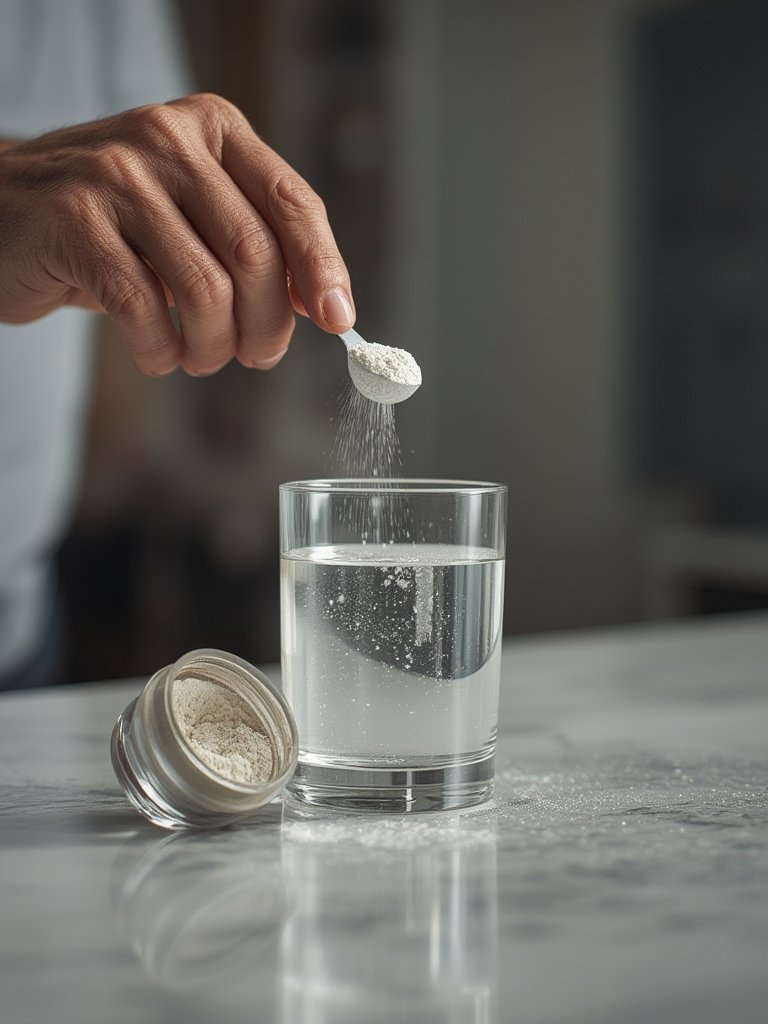
Creatine takes time to build up in the body. Take the supplement daily, including on rest days, for at least 8–12 weeks to see results.
-
Monitor for effectiveness and tolerance.
Track your strength, daily energy, and any physical changes. Most older adults tolerate creatine well, but you may want to adjust the dose if you experience water retention or digestive complaints. -
Stack with other healthy aging habits.
Creatine works best as part of a holistic healthy aging strategy, including regular exercise, protein-rich nutrition, and adequate sleep.
If you want ideas for broader supplement support, browse Exploring the Benefits of Fitness Supplements.
For targeted brain benefits, see our guide on Creatine for Brain Health: 7 Amazing Ways to Boost Memory.
Advanced Analysis & Common Pitfalls
Real-world use of creatine for aging comes with important nuances. Here are the main pitfalls, problems, and research-backed realities older adults should know:
| Pitfall or Issue | Reality Check | Relevant Study / Source |
|---|---|---|
| Expecting major brain boost | Cognitive benefits in seniors are modest. Greater impact in those with mild impairment or low baseline creatine. | Frontiers in Nutrition, 2024 |
| Not exercising while supplementing | Creatine works best when paired with resistance training, not as a standalone solution. | Peng MD, 2024 |
| Worry about safety or kidney damage | When used at recommended doses, creatine is safe for healthy older adults (with rare mild digestive side effects). | University of Northern Iowa, 2023 |
| Believing it boosts lifespan | No human data on lifespan extension. Promising mouse studies, but none proven in people yet. | PMC12832544, 2024 |
| Underestimating muscle loss risk | Muscle loss after 60 can be rapid and affects independence. Creatine is an evidence-based tool, but only one part of comprehensive prevention. | PMC12793482, 2024 |
- There are currently no large-scale comparisons of how many seniors use creatine versus other supplements like vitamin D, omega-3s, or resveratrol.
- No major health organizations (NIH, WHO, ACSM) have issued official position statements or guidelines for creatine use specifically for aging adults.
- Long-term safety looks promising, but studies tracking creatine’s effect on aging biomarkers or true human lifespan are pending.
- If you want additional guidance on stacking supplements for bone and muscle protection, check out Creatine For Women: 7 Amazing Ways to Build Muscle and Protect Bone.
Looking for more options to support your routine? Our Protein Bars Indulgent Flavors Guide offers strategies for pairing protein and creatine post-workout for optimal aging support.

Conclusion
If you want to maintain your strength, stay independent, and give your mind a gentle cognitive edge, creatine for aging is a practical, well-supported supplement—especially when combined with resistance training and other healthy habits. Although it isn’t a miracle cure or fountain of youth, creatine’s safety profile and proven muscle benefits make it one of the few supplements worth considering for adults over 60. Talk to your healthcare provider, start small, and stay consistent for best results.
Ready to take the next step? Learn about optimizing your healthy aging stack—explore foundational guides like our Hydration Electrolyte Supplements Guide and see how creatine fits into a science-backed approach to longevity.
Frequently Asked Questions
Is creatine safe for adults over 60?
Yes. Major studies as recent as 2024 confirm that creatine monohydrate is safe when used at recommended dosages, even in seniors. Always consult your doctor if you have kidney or liver concerns.
What kind of results can older adults expect from creatine?
When combined with regular exercise, most users see improvements in muscle strength, lean mass, and daily function. Brain benefits like better memory or attention are possible, but typically smaller.
How should older adults take creatine?
Start with 3 grams per day of creatine monohydrate mixed with food or beverage. Continue daily for at least 8 weeks and combine with exercise for best results.
Does creatine cause bloating or water retention?
Mild water retention is possible, especially at higher (loading) doses. Most older users report no significant side effects at doses of 3–5 grams per day.
Are the cognitive benefits of creatine proven in healthy seniors?
Cognitive benefits are modest and mainly observed in those with mild impairment or low creatine. Don’t expect dramatic mental improvement if you are already healthy, but subtle gains are possible.