

Protein bars indulgent flavors are changing how people think about high-protein snacks, combining levels of nutrition with chocolatey, cookie-inspired, or candy-like taste profiles that rival dessert. If you have ever wanted your protein bar to actually taste like a treat, you are not alone—this is the segment driving growth in the wellness snack bar industry.
Key Takeaways
- Indulgent-flavored protein bars make up over half the global snack bar market and are evolving rapidly, particularly in the US and among fitness-focused consumers.
- Leading brands deliver high protein content (20g+), low sugar, and cleaner ingredient labels—yet taste and texture remain common pain points.
- Trends favor classic dessert flavors like Chocolate Peanut Butter and Cookies & Cream, with plant-based options on the rise for those seeking cleaner indulgence.
- What Makes a Protein Bar Indulgent?
- How to Choose and Use Indulgent Flavored Protein Bars
- Common Pitfalls and Real-World Challenges
- Conclusion
- FAQ
What Makes a Protein Bar Indulgent?
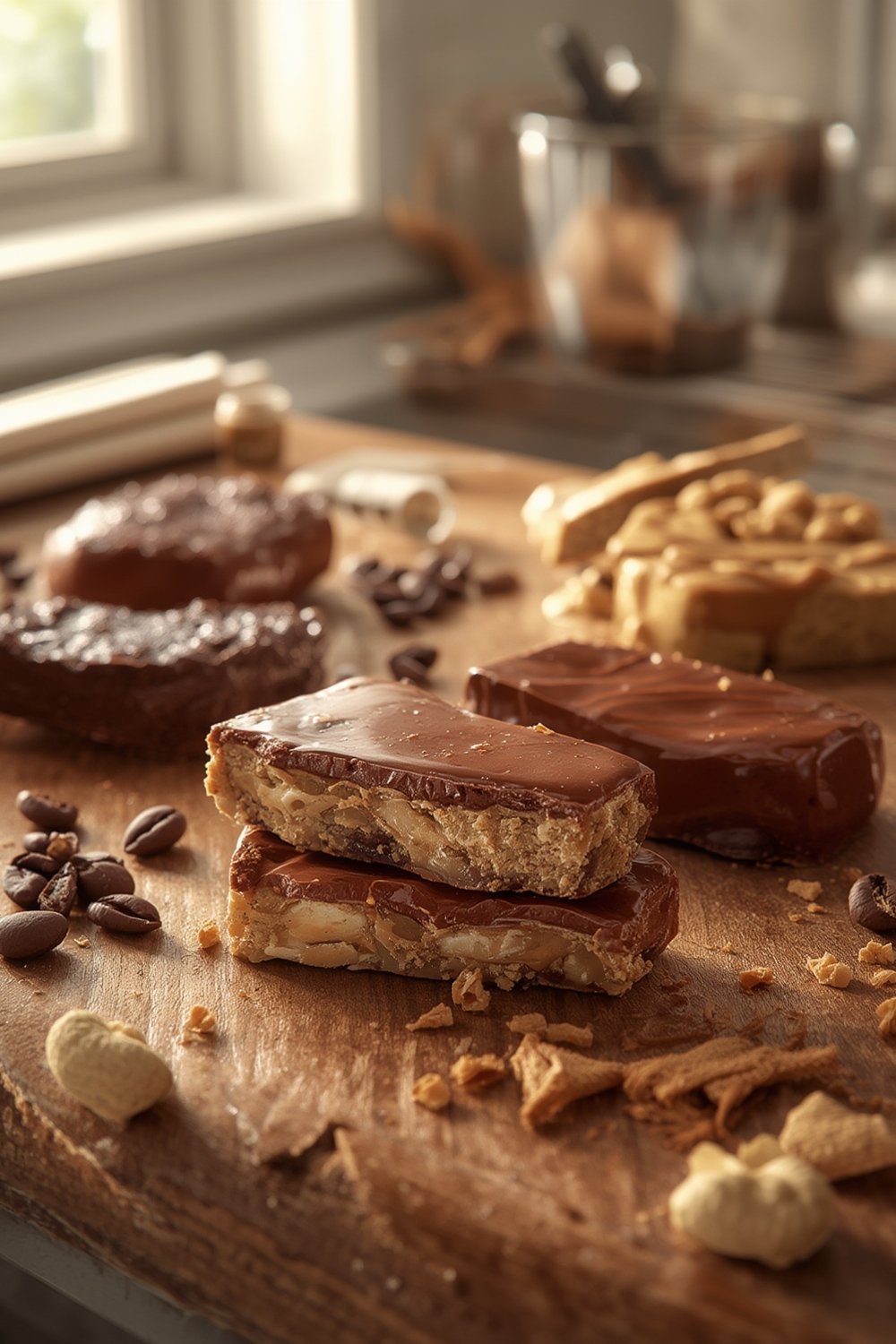
Indulgent-flavored protein bars deliver the experience of eating a dessert while providing high-quality protein (typically 20 grams or more per bar). Unlike standard high-protein snacks, these bars are crafted to mimic the taste and texture of candy bars or baked goods. Chocolate Peanut Butter and Cookies & Cream are the clear favorites in this space, dominating both sales data and new product launches.
Their growth is no accident. Global demand for high-protein, dessert-like snacks is surging, with the protein bar market hitting over $16 billion in 2024 and North America holding more than a third of this share (SkyQuestt). Consumers want functional, on-the-go nutrition with actual enjoyment, pushing leading brands to innovate for better taste and fewer artificial ingredients. Quest Nutrition and RXBAR are now household names offering cleaner formulas with monk fruit, no added sugar, and plant-based protein options.
Indulgence isn’t just about flavor—it’s the intersection of taste, nutrition, and texture. If you want more info on sports nutrition performance, check out our guide on fitness supplements.
How to Choose and Use Indulgent Flavored Protein Bars
Not all protein bars with indulgent flavors are created equal. To get the best nutrition and satisfaction, follow this step-by-step process:
- Read the Label Closely. Prioritize bars with at least 20g protein, minimal added sugar, and real-food or natural sweetener ingredients. Top brands like Quest and RXBAR lead here, offering monk fruit or no added sugar, respectively (SkyQuestt).
- Choose Your Texture. Decide if you prefer chewy, crunchy, or cookie-like. Most indulgent flavors aim for a softer bite to mimic desserts, but textures do vary. Texture complaints are common, so sample single bars before bulk-buying.
- Look for Clean Indulgence. The clean label trend is strong, with plant-based (pea or almond protein) lines on the rise. RXBAR is a leader in clean label dessert bars targeting millennials and Gen Z.
- Monitor Sugar Alcohols and Aftertaste. Bars that are too low in sugar may rely on sugar alcohols or stevia, which lead to odd aftertastes or digestive discomfort for some.
- Compare Certification Claims. Though brands highlight clean ingredients, third-party certifications like Non-GMO or Fair Trade are rare in this segment. Focus on what is present (natural sweeteners, sustainable packaging) versus missing.
- Assess Use Case. Know whether you need a meal replacement (choose 25–30g protein and higher calories) or a snack (8–15g protein with indulgent flavor, lighter profile). Sports bars typically offer higher protein; snack bars balance flavor and satiety (Strategic Market Research).
- Rotate Flavors to Avoid Burnout. Enjoying the same indulgent option daily can lead to flavor fatigue. Try Chocolate Peanut Butter, then Cookies & Cream, or plant-based versions to keep things fresh.
- Track Performance and Digestion. If your fitness and energy are steady, and you don’t experience GI discomfort, your bar choice is probably well suited to your routine.
Want to build even more muscle and support your nutrition? Consider reading Creatine for Women: 7 Best Ways to Build Muscle and Creatine For Women: 7 Amazing Ways to Build Muscle and Protect Bone (Proven Guide) for more actionable tips on strength and supplementation.
Common Pitfalls and Real-World Challenges
Despite their popularity, dessert-like protein bars come with a set of predictable downsides and trade-offs that buyers should know upfront:
- Taste and Texture Variability: Many users expect a true candy-bar experience but end up with protein aftertaste or odd, dry consistency. Even top brands get mixed feedback, especially among very sweet-toothed or picky eaters.
- Sugar Alcohols and Digestive Issues: Low sugar often means more sugar alcohols or fibers, leading to gas or bloating in sensitive users.
- Ingredient Transparency: Though clean label is a trend, not every indulgent protein bar is truly free from artificial colors, preservatives, or additives.
- Unclear Certifications: If you have dietary restrictions (Non-GMO, Fair Trade, gluten-free), options are limited or not consistently certified among indulgent bars.
- Price and Value: Premium, candy-like bars often cost more per serving than plain high protein options. Market data for 2024 price differences is thin, so always compare unit price and serving size.
- Label Claims vs. Reality: Some “20g protein” bars reach that number with blends or lower-quality proteins. Check if you’re paying for casein, whey isolate, or plant sources relevant to your needs.
Here’s a simple comparison:
| Feature | Indulgent Protein Bar | Traditional High Protein Snack |
|---|---|---|
| Protein per Bar | 20–30g (trend: +261–280%) | 15–30g |
| Sugar | Low added sugar; uses monk fruit, stevia, or none | Varies—usually higher, can include added sugar |
| Popular Flavors | Chocolate Peanut Butter, Cookies & Cream | Plain chocolate, peanut, or vanilla |
| Plant-Based Options? | Yes—pea, almond protein on the rise | Less common |
| Price per Bar (2024) | Not well reported—likely premium | Conventional to premium |
| Clean Label/Certifications | Some (Quest, RXBAR), but not industry-wide | Mixed |
As always, experiment and track what works for your taste and dietary needs. Looking for brain-supporting benefits with your protein? See Creatine for Brain Health: 7 Amazing Ways to Boost Memory (Proven Guide) to round out your nutrition strategy.
Conclusion
Protein bars indulgent flavors are driving a revolution in high-protein snacking. They combine dessert-inspired taste, high protein content, and evolving ingredient quality. Still, wise buyers need to weigh texture, label transparency, and possible digestive impacts. If nutrition and taste both matter to you, invest in top brands, rotate flavors, and always read the label before you buy.
Ready to try your next indulgent favorite? Start comparing flavors, check ingredient lists, and experience the difference for yourself. Want more smart nutrition strategies? Don’t miss our deep dive into adaptive stress relief with ashwagandha.
FAQ
Are indulgent-flavored protein bars really healthy?
Many provide high protein with lower sugar, especially those from brands like Quest and RXBAR that use natural sweeteners and plant-based proteins. Still, not all are created equal. Check for added sugars, artificial ingredients, and watch your serving sizes.
Why do some indulgent protein bars taste artificial?
To cut sugar, manufacturers often use alternative sweeteners or artificial flavors. These can lead to odd aftertaste or overly sweet flavor profiles. Experiment with different brands and flavors to find your preferred option.
Are there plant-based indulgent flavors available?
Yes! Brands like RXBAR and others offer pea or almond protein options with dessert flavor profiles, focusing on clean label and no added sugar for a guilt-free treat.
Do indulgent protein bars cost more than regular ones?
Premium, dessert-inspired bars often cost more per unit compared to plain protein or meal replacement bars, though current 2024 per-unit pricing data is limited. Always compare price per bar and ingredient quality for best value.
What certifications should I look for?
While clean label and natural sweeteners are trending, Non-GMO, gluten-free, or Fair Trade certifications are rare or inconsistently available in dessert protein bars as of 2024. If certifications matter to you, research each brand before buying.