

Ashwagandha stress relief is rapidly gaining traction among women looking for a natural solution to combat daily tension and anxiety—but is it really as effective and safe as it seems? Here, we break down the newest clinical results, highlight real-world advantages and concerns, and answer the questions most health sites ignore.
Key Takeaways
- Clinical trials in 2024 confirm that ashwagandha root extract can significantly reduce stress and anxiety, especially in menopausal women—with measurable results in under two months (source).
- Brands make big quality and efficacy claims, but head-to-head comparisons between extract types (such as KSM-66) and independent testing data are lacking.
- Most users tolerate ashwagandha well, but long-term safety and hormone effects in younger women remain under-researched, so consult your doctor if you have concerns.
- What Is Ashwagandha Stress Relief and Why Does It Matter?
- How to Use Ashwagandha for Stress Relief: A Step-by-Step Guide
- Advanced Analysis: Pitfalls, Limitations, and How to Avoid Wasting Time
- Conclusion
- Frequently Asked Questions
What Is Ashwagandha Stress Relief and Why Does It Matter?
Ashwagandha, an adaptogenic herb long used in Ayurveda, is prized for helping the body adapt better to both mental and physical stress. Its root extract contains compounds called withanolides, which act on the hypothalamic-pituitary-adrenal (HPA) axis—helping dial down elevated cortisol (the “stress hormone”) and boosting neurotransmitters like serotonin.
The latest 2024 research on women, especially those in menopause, is promising. One randomized, double-blind, placebo-controlled trial found that 56 days of ashwagandha root extract led to significant reductions in both psychological and physical stress symptoms, improved quality of life, and lowered hot flashes—without notable side effects (see details).
While previous studies suggest similar benefits for mixed-gender groups, the precise impact in non-menopausal women needs more direct evidence. However, for many seeking a supplement-based alternative to pharmaceuticals, ashwagandha offers a well-tolerated, evidence-backed approach to daily stress relief.

How to Use Ashwagandha for Stress Relief: A Step-by-Step Guide
Ready to try ashwagandha? Use these evidence-based steps to get the most benefit while avoiding the common mistakes.
Step 1: Choose the Right Formulation
Look for supplements that use standardized ashwagandha extracts (ideally 35% withanolide glycosides) and clearly state their withanolide content. Most published studies use root extract rather than leaf, so check the supplement facts carefully.
Standardized and Sustained-Release Formulas (Prolanza, AshwaSR) are linked to the most consistent results (source).
Step 2: Get the Dose Right
Recent clinical studies in adults (including women) have used doses from 60 mg (high withanolide extracts) to 300 mg (twice daily) up to 600 mg total per day. Some anxiety protocols use even higher doses, but for stress relief, 300–600 mg/day is reasonable to start (source).
- Start at 300 mg per day for the first week to see how your body reacts.
- If well tolerated, increase to 600 mg/day divided into two servings (morning and night) after two weeks.
- Stick with your chosen dose for at least 8 weeks unless directed otherwise by your healthcare provider.
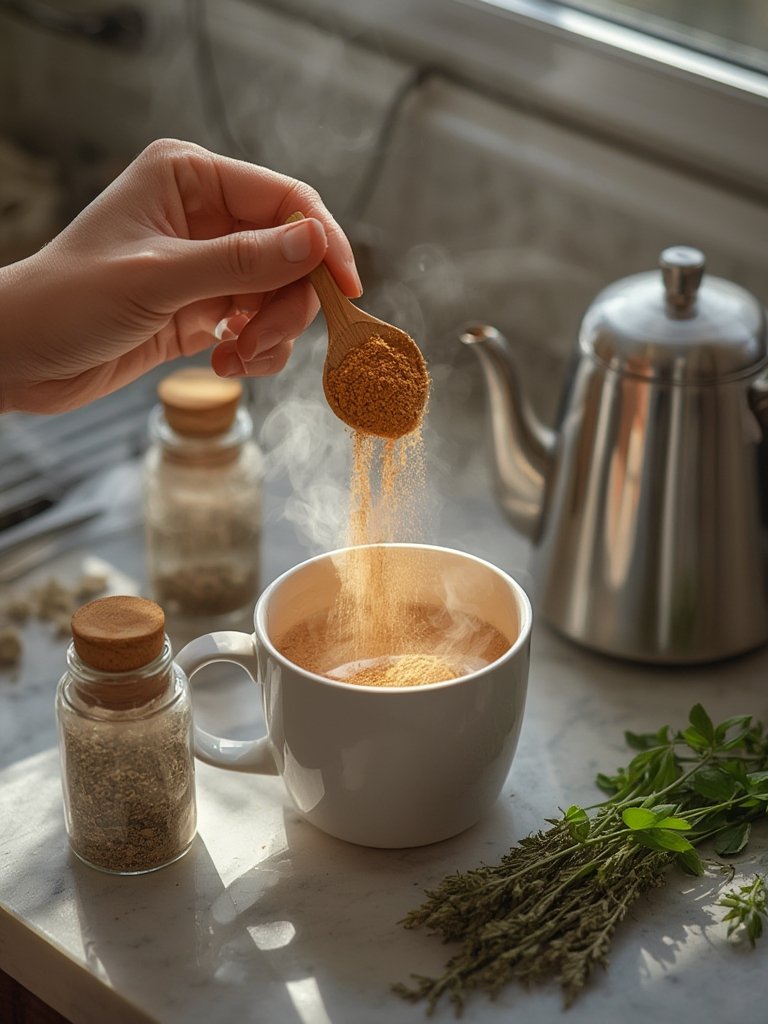
Step 3: Monitor Effects and Adjust
Track changes in your mood, sleep, and perceived stress using an app or bullet journal. Scientific studies show that benefits like lowered Perceived Stress Scale (PSS) scores, reduced anxiety, and improved quality of life can take up to 60 days to peak (study reference).
If you see no change after two months, try switching to a different brand or formulation. Consider pairing ashwagandha with proven fitness supplements for women—like creatine—to further support your well-being.
Step 4: Stick to Quality-Controlled Brands
Select products that use third-party testing for purity, potency, and contaminants. Unfortunately, there’s little published evidence showing which major brands deliver best on these claims. Look for transparent labels, and check for customer reviews that mention quality control—not just flavor or price. For a deeper look at supplement quality, see our expert guide: Exploring the Benefits of Fitness Supplements.
Step 5: Cycle and Evaluate Long-Term
After an initial two-month run, consider cycling off ashwagandha for a few weeks to assess any changes. Long-term hormonal safety in pre-menopausal women has not been conclusively established (see evidence). If you’re considering fertility or have complex hormone issues, consult your physician before starting any adaptogen supplement.
Advanced Analysis: Pitfalls, Limitations, and How to Avoid Wasting Time
While most users have positive experiences with ashwagandha for stress relief, there are several caveats and pitfalls that even seasoned health enthusiasts may miss:
- Not all extracts are equal: Brands use different types and strengths (root, leaf, blends, and even “proprietary” formulas). There are no head-to-head studies showing which extract (e.g., KSM-66) is superior—so you may need to experiment to find what actually works for you (clinical source).
- Impatience leads to disappointment: In women, clinical results show detectable stress reduction around 4 to 8 weeks. Starting, stopping, and switching brands quickly may cause you to miss the benefit window.
- Lack of consumer transparency: There’s virtually no consumer-generated data on side effects, efficacy, or complaints specific to women, even though clinical trials report strong tolerability (latest study).
- Missing long-term safety data: There are no published studies following non-menopausal women for a year or more (NIH summary).
- Quality matters more than marketing: “Premium” claims on supplement bottles are rarely substantiated by independent lab data. Always research, and demand certificates of analysis.
| Extract/Formulation | Typical Dose Per Day | Clinical Support (Women) | Benefits | Downsides |
|---|---|---|---|---|
| Standardized Root Extract (35% withanolides) | 300–600 mg | Strong (menopausal women) | Stress, anxiety, quality of life | Safety beyond 8–12 weeks unknown |
| Sustained-Release Formulas (Prolanza, AshwaSR) | Probable 600 mg | Moderate | Convenience, potential for stable blood levels | Brand-dependent, no head-to-head data |
| NooGandha (Root/Leaf Blend) | 225–400 mg | Limited/short-term | Stress reduction (mixed gender) | Long-term female data lacking |
| KSM-66 (Root-Only, marketing claims) | 600 mg (typical) | Poor (no female-specific clinical data) | Widely used, claims of purity | No published direct comparison studies |
If you want a parallel supplement to take alongside ashwagandha, consider Creatine for Women: 7 Amazing Ways to Build Muscle and Protect Bone—especially if fitness, bone health, or body composition are also top priorities.
Conclusion
Clinical research in 2024 shows that ashwagandha stress relief is a realistic and effective approach for reducing anxiety, psychological stress, and improving quality of life—especially in menopausal women. However, not all extracts are created equal, onset can take weeks, and safety in long-term or pre-menopausal use is still uncertain.
If you’re considering adding ashwagandha to your wellness routine, start with a well-studied, standardized extract and track your own response. Don’t hesitate to cycle off after a couple months, or ask your healthcare provider about combining ashwagandha with proven fitness nutrients like creatine for women. For more supplement strategies, check out our deep dive into fitness supplement benefits.
Interested in the latest evidence on ashwagandha stress relief and how it could fit your daily regimen? Download our full research summary or leave your questions below—the science is still evolving, and your feedback helps shape future guides.
Frequently Asked Questions
How long does it take to feel stress relief effects from ashwagandha?
Based on clinical studies, most people notice a reduction in stress and anxiety between 30 to 60 days of consistent use. Peak results are typically seen after around 8 weeks of daily supplementation.
Is ashwagandha safe for pre-menopausal women?
Short-term studies show a good safety profile with few side effects. However, long-term impacts—especially related to hormones or fertility—haven’t been studied in depth for pre-menopausal women. To be safe, discuss with your healthcare provider before starting long-term use.
What is the most effective ashwagandha dose for stress relief?
Most published research supports a daily dose between 300 to 600 mg of standardized root extract (containing at least 35% withanolide glycosides). Starting lower and titrating up is wise, especially if you’re new to adaptogens.
Are all ashwagandha extracts (e.g., KSM-66) equally effective?
There’s currently no robust, direct head-to-head research comparing KSM-66 to other extracts in women. Effectiveness can depend on extraction method, dosing, and individual biological response. Try to select reputable, third-party tested products with transparent ingredient lists.
Can I take ashwagandha alongside other supplements?
Yes—many women safely combine ashwagandha with other supplements, particularly for fitness or menopause support. For details about stacking with creatine, see our expert guide. Always check for potential interactions if you are on medication.

[…] Some people pair magnesium with adaptogenic herbs, like ashwagandha to address both sleep and stress. Learn more about natural stress support in our Ashwagandha Stress Relief Guide. […]