


Creatine gummies are changing the landscape of sports nutrition, delivering a convenient and tasty twist to a supplement long dominated by powders and capsules. Whether you are looking for a new way to fuel your workouts or want something easy to take on the go, creatine gummies offer a fresh approach, but there are important pros and cons you need to know first.
Key Takeaways
- The global creatine gummies market is booming, with rapid growth driven by demand for convenience and taste.
- Current research shows creatine gummies have similar bioavailability to traditional powders, but there’s little transparency about ingredient quality and pricing.
- Potential pitfalls include lack of dosage control and limited public information on negative side effects or ingredients.
- What Are Creatine Gummies and Why Are They Popular?
- How to Use Creatine Gummies: Step-by-Step Guide
- Advanced Analysis & Common Pitfalls
- Conclusion
- FAQ
What Are Creatine Gummies and Why Are They Popular?
Creatine gummies are chewable supplements that deliver creatine monohydrate—the same core ingredient found in most powder-based products—in a sweet, easy-to-take form. These gummies appeal to fitness enthusiasts and athletes who want a portable, mess-free alternative to mixing drinks or swallowing capsules. The surge in popularity comes from the demand for convenient delivery methods, especially among people who dislike chalky powders or find it hard to maintain supplement routines with more traditional forms.

The global creatine gummies market was valued as high as $750 million in 2024 according to some sources, with a compound annual growth rate (CAGR) of 9.5% in the years prior to 2024, fueled by a shift toward on-the-go sports nutrition (source). In North America, the US leads with over 50% share. Gummies are already making their mark but remain a fraction compared to the total creatine supplement market, which is valued beyond $1.1 billion, still dominated by powders (source).
Despite the growth, information about exact ingredients, sugar content, or calories per serving remains sparse. If you’re seeking more about how creatine works across different populations, don’t miss the guides on creatine for women and other fitness supplements.
How to Use Creatine Gummies: Step-by-Step Guide
Switching to creatine gummies can be refreshingly simple, but effectiveness depends on consistency and product choice. Here’s how to add them to your routine:
- Choose a reputable brand.
- Look for third-party tested products, and check for clear labeling of creatine content per serving.
- Read the label for serving size.
- Most gummies provide 1–3g creatine per serving, which may require you to consume several pieces to match traditional dosages.
- Time your dosage for consistency, not timing.
- Recent studies suggest daily creatine intake is more important than exact timing. You don’t need to take gummies only before or after workouts.
- Track your total intake.
- If you use other supplements, make sure you don’t exceed safe daily totals (3–5g/day is common for maintenance).
- Evaluate taste, texture, and aftereffects.
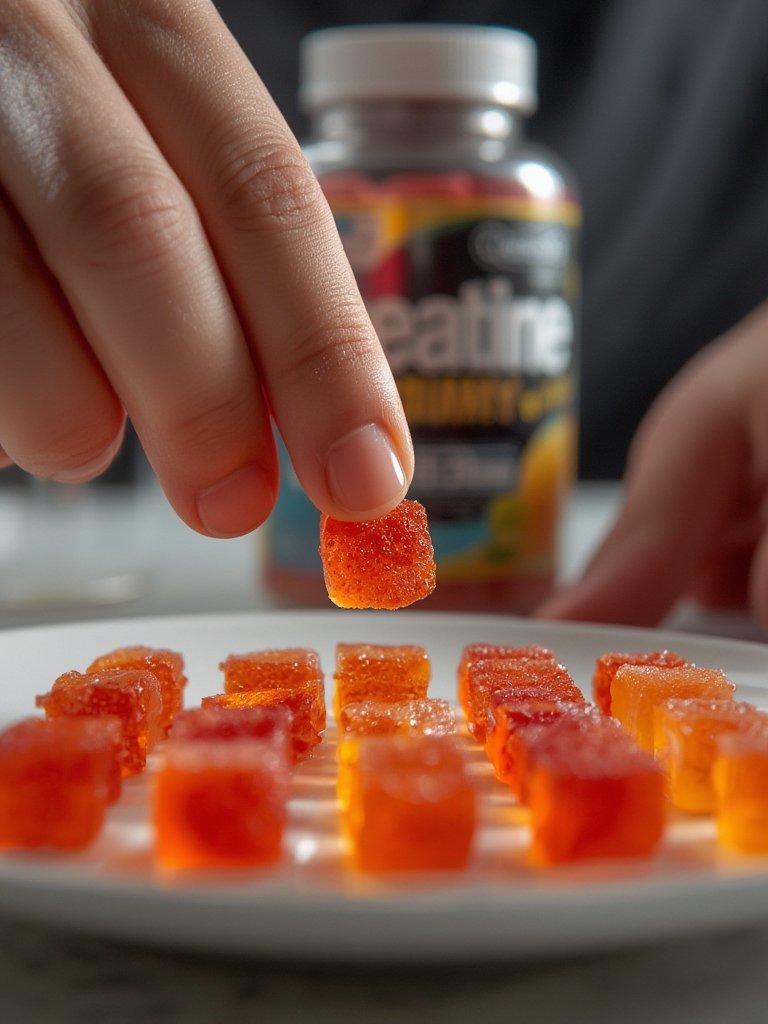
You may want to take breaks to gauge your body’s response—especially as precise ingredient information can be lacking among top brands. For targeted advice on using creatine in specific situations, see this expert women’s creatine guide for menopause.
Advanced Analysis & Common Pitfalls
While creatine gummies can be game-changing for convenience and taste, there are realistic limitations and unresolved concerns:
- Lack of transparency: Details like exact ingredient lists, sugar content, and presence of artificial additives are rarely disclosed by major brands. This can be a problem for those on restricted diets or anyone managing blood sugar levels.
- Potential for underdosing or overdosing: Gummies often provide less creatine per serving than powders, meaning consistent users may have to consume more pieces per day or risk not meeting their goals.
- Price premium and value: Gummies can sometimes be more expensive per gram compared to large tubs of powder, though there is no published, up-to-date comparison for 2024.
- Bioavailability is similar, but dose flexibility is limited: Clinical research shows gummies match powders in absorption (source), but you can’t adjust serving size as precisely as you can with powders.
- No direct reports of negative side effects unique to gummies: 2024 research has not revealed new health warnings relative to the format, such as overconsumption from the candy-like appeal, but lack of reporting does not guarantee safety for all users (source).
| Feature | Creatine Gummies | Creatine Powders |
|---|---|---|
| Convenience | High (Portable, No Mixing) | Medium (Needs Shaker/Water) |
| Bioavailability | Comparable | Comparable |
| Serving Size Adjustability | Low (Fixed per gummy) | High (Customizable by scoop) |
| Transparency of Ingredients | Low (Sparse labels) | High (Usually full disclosure) |
| Potential Additives | Possible sugar/colors | Usually minimal |
| Price Per Serving | Unknown, likely higher | Generally lower |
| Popularity in US | Growing (50% share of North America segment) | Dominant |
If you are looking to optimize your creatine use specifically for muscle gain or cognitive support, powder might still offer more flexibility and value—especially if you require precise dosing or ingredient control.
Conclusion
Creatine gummies bring real convenience, portability, and a welcome flavor boost to a classic sports supplement. For athletes, busy professionals, and anyone tired of mixing powders, they’re easy to recommend—with caveats: ingredient transparency and effective dosing need more attention from brands and regulators. If you demand maximum flexibility or have dietary restrictions, traditional creatine formats may still be preferable. For everyday use, though, creatine gummies bridge the gap between routine and results.
Ready to see how creatine can help you reach your goals? Explore more with our in-depth creatine for women guide or browse other proven supplement strategies.
FAQ
Are creatine gummies as effective as creatine powders?
Recent studies indicate that creatine gummies offer comparable bioavailability to traditional powders, making them effective for muscle support and strength. The biggest differences lie in convenience, dosing flexibility, and transparency of ingredients.
How many creatine gummies should I take per day?
This varies by brand. Always read the label carefully—most provide 1–3g creatine per serving. Adjust the number of gummies to reach your target daily dose, usually 3–5g for maintenance.
Are creatine gummies safe for all diets?
Ingredient information is often sparse. Some gummies may include gelatin (not vegan), added sugars, or artificial flavors. Check packaging or contact manufacturers if you have allergies, are plant-based, or require specific diet accommodations.
Can you stack creatine gummies with other supplements?
Generally yes, but always monitor total creatine intake and beware of overlapping ingredients (like added caffeine or stimulants in other products). Consult with a healthcare provider if you have health concerns or use prescription meds.
Is there a risk of overconsumption with creatine gummies?
While there are no documented cases unique to gummies, the pleasant taste and candy-like presentation could lead to taking more than needed. Always track daily intake to stay within recommended dosing.