

Hydration electrolyte supplements are transforming how athletes and health-conscious individuals stay energized, beat dehydration, and recover faster. Whether you’re a marathoner, busy professional, or casual gym-goer, the right hydration strategy can improve your performance—but there are important details most guides miss.
Key Takeaways
- The global market for hydration electrolyte supplements is growing rapidly, driven by demand from athletes and busy adults.
- Most guides overlook ingredient transparency, keto compatibility, and sport-specific needs—these are critical for optimal results.
- Convenient powder, RTD, and portable sachet formats dominate in 2024 due to their flexibility and on-the-go appeal.
- What Are Hydration Electrolyte Supplements and Why Do They Matter?
- Step-by-Step Guide: Maximizing Hydration and Performance
- Advanced Analysis & Common Pitfalls
- Conclusion
- FAQ
What Are Hydration Electrolyte Supplements and Why Do They Matter?
Hydration electrolyte supplements are formulas designed to replenish key minerals—like sodium, potassium, magnesium, and calcium—lost through sweat. These minerals help regulate fluid balance, muscle contraction, nerve function, and overall energy. Inadequate hydration or electrolyte loss can cause fatigue, cramping, headaches, and slowed recovery. This is especially common for athletes, busy professionals, and those in high-heat environments.
The market for these supplements has soared, reaching $8.8 billion globally in 2024 and projected to more than double by 2034. U.S. demand continues growing fast, as over half of adults admit to drinking less water than recommended due to busy lifestyles. Urban populations and fitness enthusiasts drive adoption of instant, on-the-go products across formats.
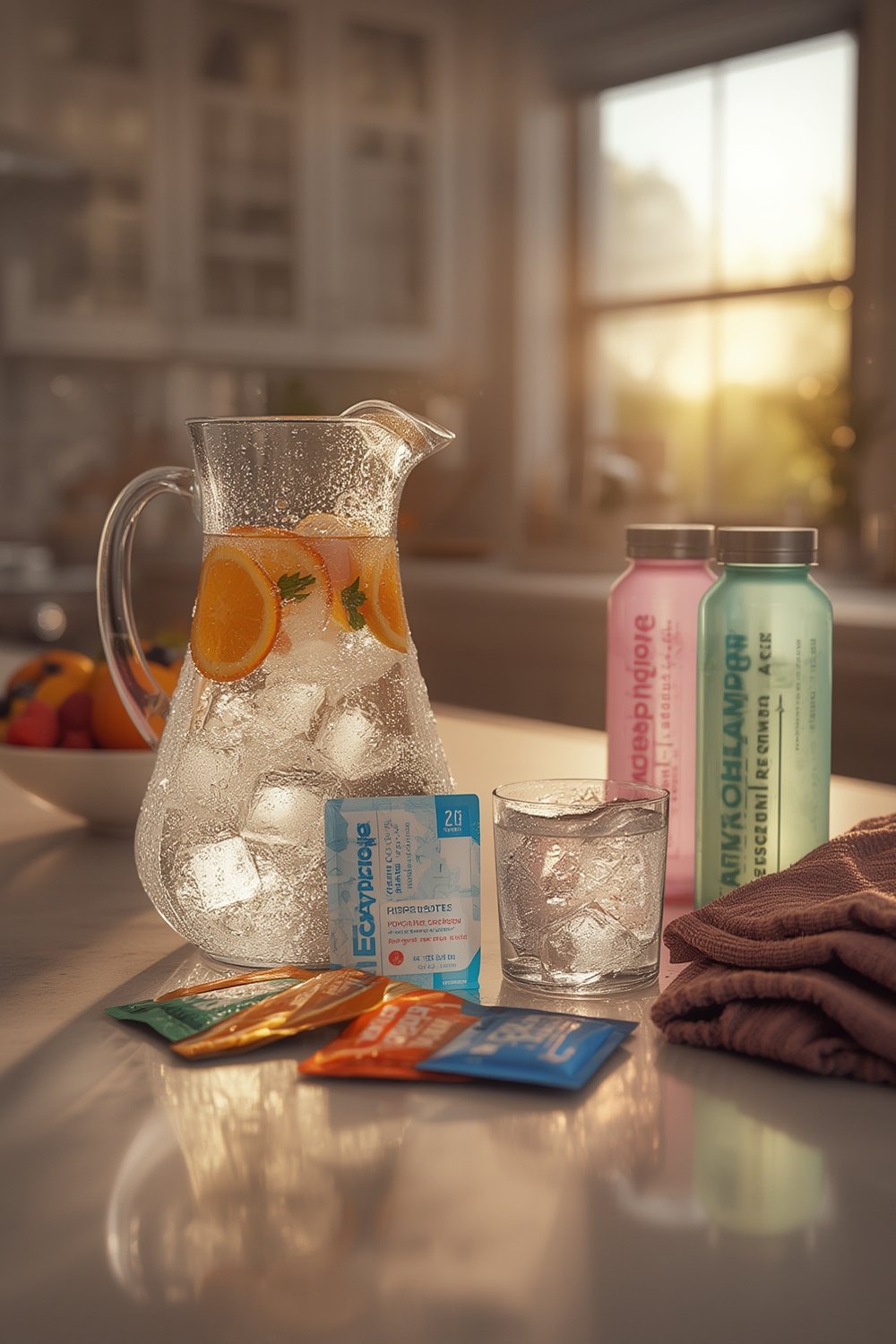
Despite booming interest, it’s easy to overlook crucial differences between products, such as ingredient transparency or suitability for specific dietary goals like keto. Many top-ranking guides simply promote brand names without addressing deeper questions of purity, artificial additives, or which product fits which activity. Cutting through the marketing hype makes a real difference in results.
Thirsty for the details? Let’s break down how to choose and use hydration electrolyte supplements for your needs—and spotlight what most guides miss. For a deeper dive into other fitness supplements, check out Exploring the Benefits of Fitness Supplements.
Step-by-Step Guide: Maximizing Hydration and Performance
Select Your Format: Powder, Ready-to-Drink, or Sachet?
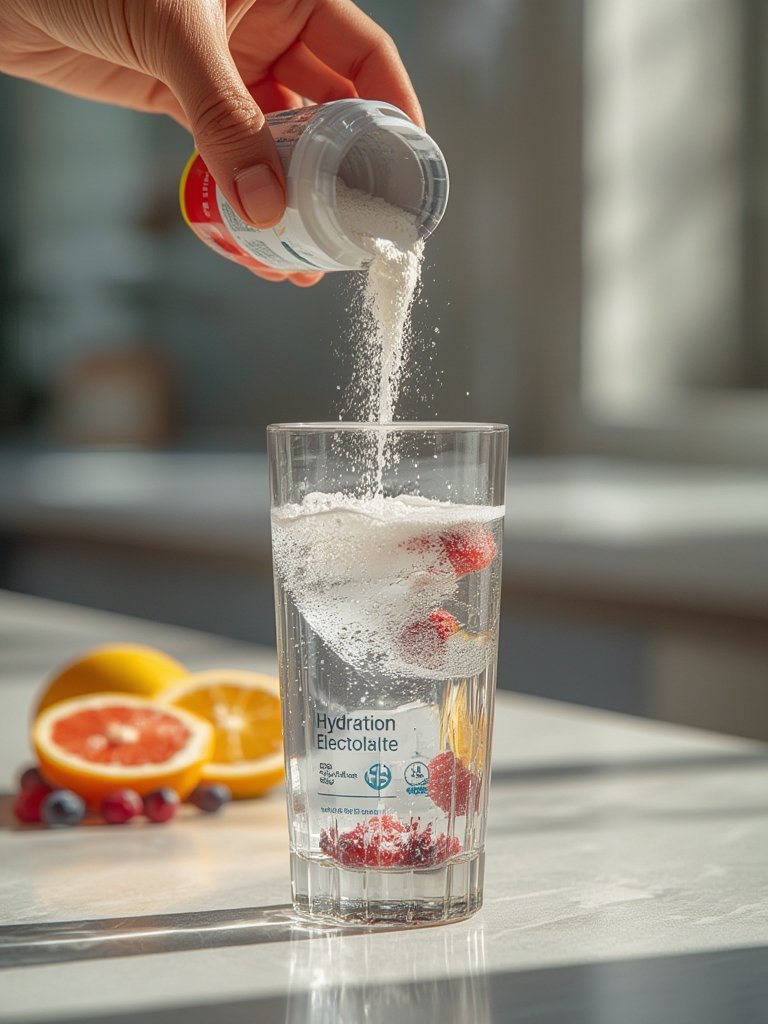
Powders remain the most popular choice for their customizability, lightweight packaging, and cost-effectiveness. They last long and let you control serving size. Ready-to-drink bottles have surged as the on-the-go favorite—no mixing, just grab and hydrate—while single-serve sachets or pouches have become the new staple for travel, races, or daily commutes.
Match Your Supplement to Your Activity (and Diet)
- Short Workouts (<1 hour): Water is usually enough, unless you’re heat-exposed or sweating heavily.
- Medium/Long Workouts (1–3 hours): Supplement with an electrolyte blend containing sodium (200–400mg/serving) and potassium. Pill or tablet forms can help avoid over-sweet drinks.
- Keto Dieters: Opt for “keto electrolyte formulas without sugar,” maltodextrin, or artificial sweeteners. Look for magnesium and potassium at higher levels, as low-carb diets increase your loss of these minerals.
- Triathletes/Endurance Events: Go for higher sodium, multiple electrolyte sources, and a carbohydrate blend only if energy is needed. Always trial your supplement in training.
Transparency is key—look for brands that publish exact ingredient quantities, sourcing, and third-party certifications. This helps you avoid contaminated, underdosed, or misleadingly labeled products. Want to see how other supplements compare for women’s sports performance? Explore Creatine for Women: 7 Best Ways to Build Muscle.
Portability, Customization, and Price
Sachet packs and compact canisters are best for travel and races, as they reduce waste and ensure correct dosing even on the move. Powders are typically cheaper per serving ($0.50–$1.50) compared to RTDs ($2+), though specific pricing and retailer comparisons remain limited in public data. Seek sample packs before committing to a large container—this lets you test for taste, solubility, and physical effects.
For insights into fun, portable supplement formats, check out our guide on Protein Bars Indulgent Flavors: 7 Amazing Ways to Boost Taste and Nutrition.
Advanced Analysis & Common Pitfalls
Hidden Downsides and Common Mistakes
- Taste Fatigue: Artificial sweeteners or strong flavors can cause users to stop drinking their supplement, especially over long periods. Some powders stay gritty or don’t dissolve fully, leaving residue or lumps in the bottle.
- Ingredient Gray Areas: Many products lack transparency about sourcing and purity. This is especially true for “proprietary blends” or vague terms like “electrolyte matrix.” Look for third-party testing seals.
- Mismatched Formulation: A generic supplement may not fit the needs of keto athletes, those sensitive to sodium, or users who train in hot conditions.
- Sugar Overload: Certain products marketed for hydration sneak in nearly as much sugar as a soda, which defeats their health purpose.
- Poor Value: Ready-to-drink bottles cost two to five times more per serving than bulk powders or sachets. Buying in single-serve pouches is more budget-friendly for frequent users.
Ingredient Comparison Table
| Type | Typical Ingredients | Sugar Content | Artificial Additives | Third-Party Testing | Best For |
|---|---|---|---|---|---|
| Powder | Sodium, Potassium, Magnesium, Calcium | Often zero to low | Variable (check label) | Occasionally | Customizable, cost-effective, home/travel |
| RTD | Sodium, Potassium, Added Flavors | Medium to High | More likely | Rare | On-the-go, emergency use |
| Sachet/Pouch | Same as powder, pre-measured | Usually low | Variable | Sometimes | Precise dosing, portable |
| Keto Formulas | No sugar, high sodium/potassium | Zero | Usually few | Occasionally | Low-carb/fasting/keto |
For a science-focused approach to muscle preservation and supplement strategy, see our guide Creatine for Brain Health: 7 Amazing Ways to Boost Memory.
Be skeptical of fancy packaging and celebrity endorsements. What matters most is ingredient transparency, taste, and how you feel after regular use. Always introduce new supplements slowly and observe your body’s response—especially if you’re on a special diet or have history of electrolyte imbalances.

Conclusion
Hydration electrolyte supplements can make or break your physical performance, recovery, and overall well-being. The market is flooded with options, but finding the right product means checking ingredient transparency, picking the best format for your routine, and knowing which formulas suit your dietary approach. Armed with these tips, you can confidently optimize hydration without falling for marketing traps. Ready to upgrade your routine? Explore more strategies on our site—or share this guide with a friend who could benefit from the right hydration electrolyte supplements approach.
FAQ
Are hydration electrolyte supplements safe for daily use?
Most hydration electrolyte supplements are safe for daily use when taken as directed, but always read labels and consult your doctor if you have medical conditions or are on specific medications. Watch out for excess sodium if you have high blood pressure.
Do hydration electrolyte supplements work on a keto diet?
Yes, but choose products labeled “keto electrolyte” with no sugars or maltodextrin. Keto dieters need more sodium, potassium, and magnesium due to increased urine output and lowered stored carbs.
Can I mix powders with beverages other than water?
Powders are usually designed for water, but some can be blended with coconut water or low-calorie drinks. Avoid mixing with sugary sodas or high-acid juices, as this may impact absorption or cause GI discomfort.
What flavor or solubility problems should I expect?
Some users report chalkiness, grittiness, or strong artificial flavors. Try a sampler pack before buying in bulk, and always shake well for best solubility.
Where can I learn more about supplements for performance and recovery?
Check out our guides on creatine for women and the benefits of fitness supplements for deeper insights into performance nutrition.
—

[…] For more context, see our in-depth guide on ways to maximize performance with hydration electrolyte supplements. […]